While traditional milk bars and classic dumplings are a rite of passage for any traveler, Gdańsk’s culinary identity has undergone a massive transformation. In 2025, the city was even named the European Capital of Gastronomic Culture, a nod to its innovative chefs who are blending Baltic tradition with global trends. If you are looking for...Read More
In Gdańsk, amber is more than just a gemstone—it is the city’s soul. For over a thousand years, this fossilized resin from prehistoric forests has shaped the local economy and identity. However, with hundreds of stalls to choose from, finding a piece that is truly 40 million years old (and not a clever plastic imitation)...Read More
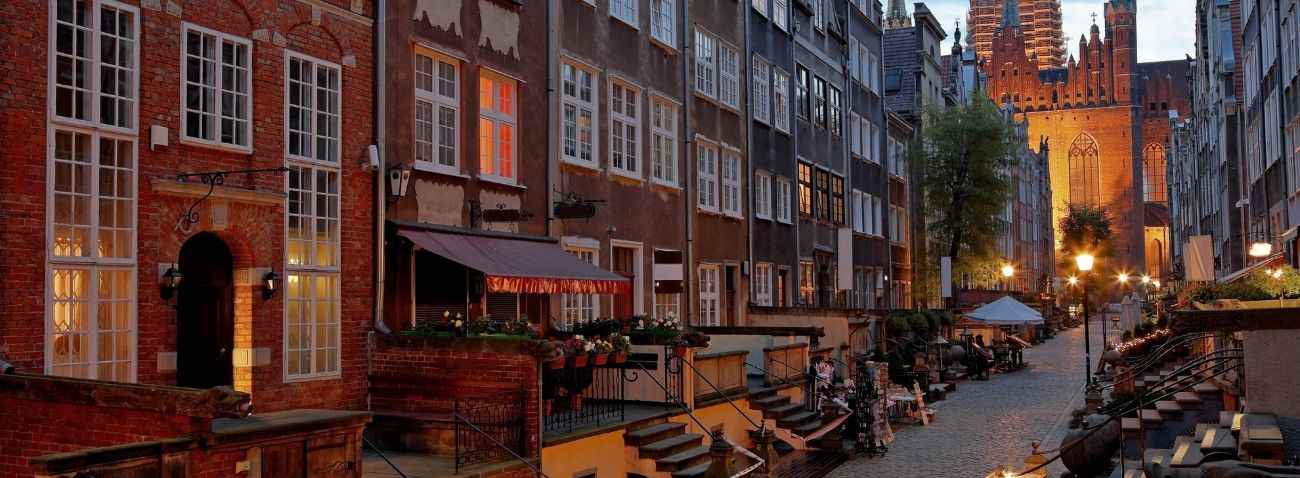
If you only have time for one walk in Gdańsk, make it the Royal Way (Droga Królewska). This historic stretch was once the grand entrance for Polish monarchs visiting the city, designed to dazzle them with the wealth and artistry of Gdańsk’s merchant elite. Today, it remains one of Europe’s most beautiful urban corridors. Here...Read More
Hel Hel is a town on the tip of the Peninsula. It is a renowned sea-bathing place and holiday resort, very fashionable in the period between the world wars. The seaside specificity of Hel is determined by several dozen of kilometers of beaches, white and grey sand-dunes as well as dune flora like the Sea...Read More
Church of St Bridget St. Bridget’s Church was erected in 1396 in the Gothic style on the site of the former small chapel, which in 1374 housed a corpse of St. Bridget, who was being transported from Rome to Sweden. The church was burnt to the ground during World War II and reconstructed in 1973....Read More
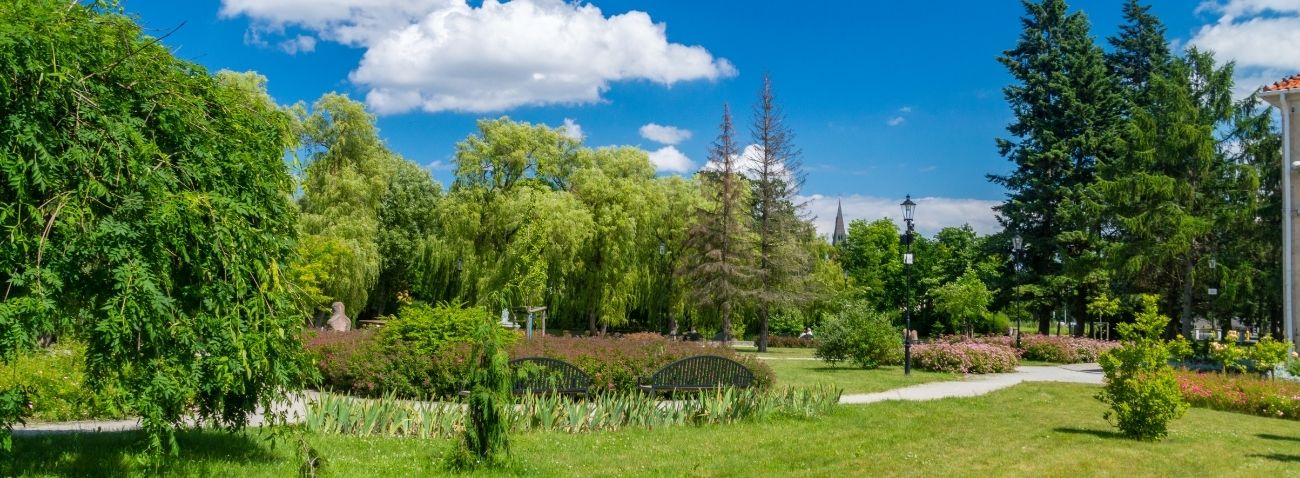
The Oliwa Park The beginnings of establishing a great park in Oliwa, should be connected with Cistercians, who, in a direct neighbourhood ofmonastery, established vegetable and herbal garden. A big bloom of the park occurred thanks to Jacek Rybinski – the last abbot of Oliwa congregation. He brought to Oliwa a prominent master of garden...Read More
St Mary ‘s Church The Church of the Blessed Virgin Mary, the largest brick church in the world, went through several stages of development over the period from 1343 to 1502. Its interior displays many exquisite pieces of Medieval and Baroque art, including the stone Pieta from about 1410, a copy of the Last Judgement...Read More